Bunting for Small Spaces: Apartment-Friendly Party Decor Ideas
October 13, 2026 - Event Inspiration
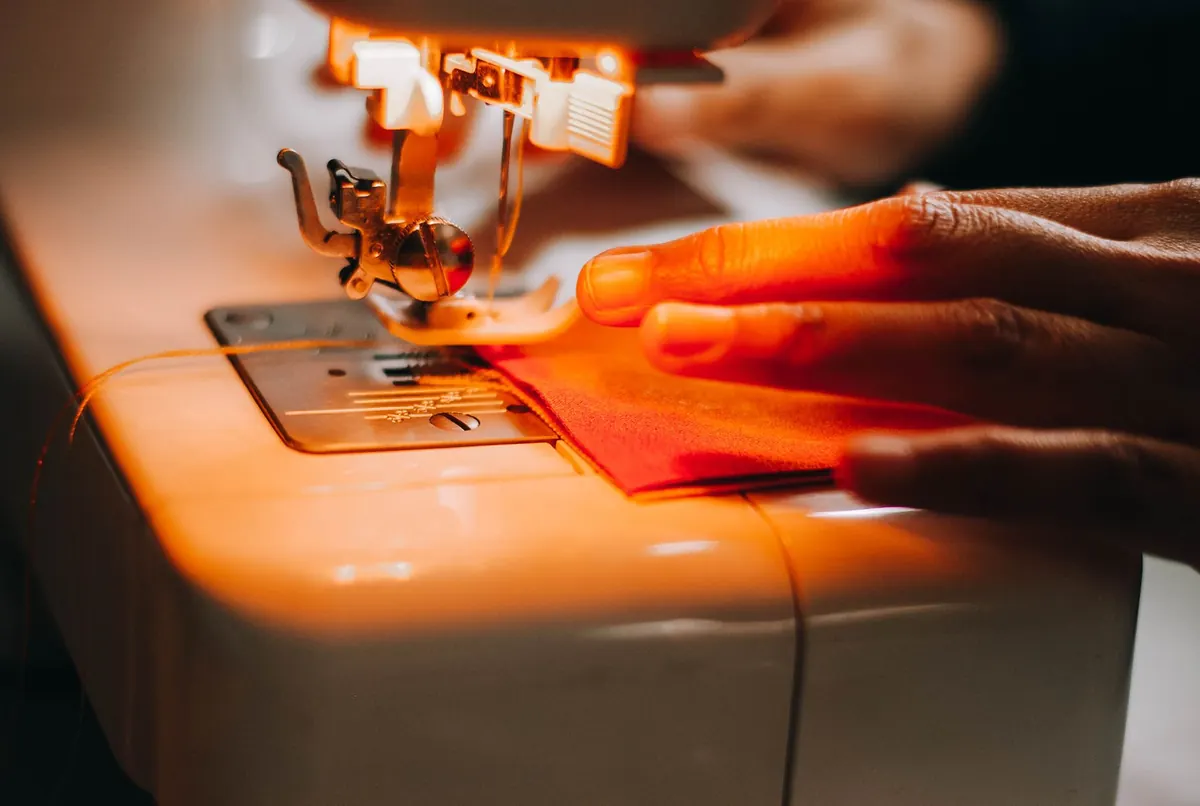
Paper bunting is cheap, cheerful, and gone by Monday. Fabric bunting is the version that survives the party. Sewn once and finished with bias tape, a set of cloth triangles will hang through a garden birthday, a christening, three Christmases, and one very windy school fete before it needs any attention. The construction is simple enough for a first sewing project: triangles, tape, and straight stitches. What separates a set that sags at the corners and frays along the points from one you'll dig out year after year comes down to three decisions — the fabric you buy, the tape you finish with, and how you stitch the two together.
The most common beginner mistake is buying thin quilting cotton because the print is charming, then wondering why every triangle curls up like a crisp. Bunting spends its life hanging, which means gravity works on it constantly, and a little wind turns a flimsy triangle into a crumpled flag.
Medium-weight woven cloth — cotton canvas, duck cloth, cotton-linen blends, upholstery-weight cotton — holds a flat shape, keeps crisp points, and fades far more slowly in sunlight. It also takes a press beautifully, which matters more than you'd think once you're folding tape around thirty raw edges.
Whatever you choose, prewash and press it first. Cotton shrinks, and the sizing that makes new fabric feel crisp will wash out later and leave your triangles slightly smaller than the tape you sewed them into. A hot wash and a hot tumble dry before cutting removes the surprise. If you fall for a delicate novelty print, back it with a plain medium-weight cotton or a light fusible interfacing so the triangle behaves.
Aim for four to six fabrics in one set. Fewer looks considered; more looks like a jumble sale. Give one print or colour the lead role and let the others support it.
A 10-inch-wide, 12-inch-deep triangle is a friendly standard — big enough to read from across a garden, small enough that you can fit five across a metre of fabric. Cut a template from card or template plastic and trace around it with a rotary cutter and ruler rather than scissors; your points will be sharper and your triangles will actually match.
The detail most people miss is grain. Line the top edge of each triangle up with the fabric's straight grain — running parallel to the selvedge — so the tape sits on stable cloth. If that top edge lands on the bias instead, it will stretch the moment you sew, and your neat row of triangles will go wavy.
The sides of each triangle will be exposed unless you deal with them. Three workable options: cut with pinking shears so the raw edge frays less, run a narrow zigzag along the two slanted edges, or cut two triangles and sew them right sides together, leaving the top open, then turn and press for a double-sided flag. The last option takes twice the fabric and twice the time, but it gives you a reversible set and hides every raw edge.
Bias tape is cut on the diagonal, which gives it a slight stretch and lets it curve and drape without puckering. Double-fold bias tape is the right choice here because it's already folded into thirds, so it wraps both sides of your triangle in one pass and encloses the raw top edge completely. That enclosure is the whole reason reusable bunting doesn't unravel in storage.
For single-layer triangles, half-inch double-fold tape is the sweet spot — wide enough to grip the fabric, narrow enough not to swallow small flags. If you're using double-layered or heavy canvas triangles, go up to seven-eighths or one inch, because thick cloth eats the fold.
You can buy tape in a rainbow of colours, or make your own from a matching fabric: cut 2-inch strips at a 45-degree angle, join them with diagonal seams, press the seams open, then fold and press into shape. It's an extra hour of work and it makes the finished bunting look like it came from a shop rather than a sewing basket.
Allow roughly a foot of tape per triangle, plus about 30 inches for the two hanging tails.
Thread choice matters outdoors. Polyester thread resists sunlight and moisture well; cotton thread can rot in damp storage, and nylon thread degrades in ultraviolet light over time. A fresh 80/12 or 90/14 needle will also save you from skipped stitches through folded tape.
Wash bunting in a mesh laundry bag on a cool, gentle cycle, then hang it to dry. Keep it out of the tumble dryer, where heat shrinks cotton and presses in creases that are hard to shift. Iron on the reverse, or press the tape side through a thin cloth.
Store it flat or loosely coiled in a box rather than crumpled in a bag, and keep it somewhere dry — a damp shed will undo a season of careful sewing. If you plan to add matching flags for a future party, keep a small swatch of each fabric with a note of its name; hunting down a discontinued print two years later is a losing game.
One safety note worth repeating: fabric bunting is not flame resistant unless it's labelled as such. Keep it away from candles, heaters, and open flames, and don't string it at head height across a walkway where guests will catch it. Hang it high, tie it off properly, and it will be back out of the box for the next occasion.
Photo: rakhmat suwandi / Pexels

Bunting does not need an entire wall. Here is how to scale pennants, garlands and streamers for apartments,...

Clean, untangle, and roll your bunting before storing it in a cool, dark, breathable container—so next season's...
Copyright © 2026 Bunting Beacon. All Right Reserved.